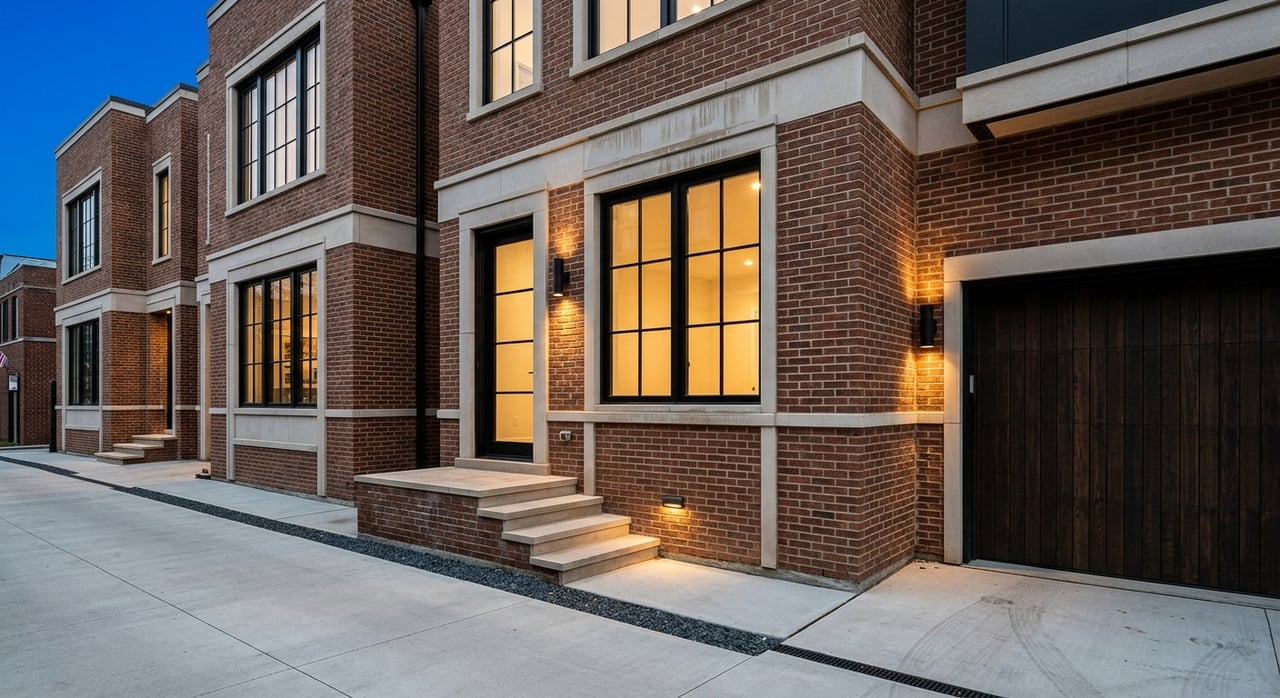
If you are eyeing Uptown Dallas condos and townhomes as an investment, the opportunity is real, but so is the need for sharper underwriting. Uptown offers an urban lifestyle that keeps it on many renters’ radar, yet today’s Dallas rental market also calls for discipline around HOA costs, leasing rules, concessions, and hold strategy. In this guide, you will get a practical look at what makes Uptown appealing, what can affect returns, and where to focus your due diligence before you buy. Let’s dive in.
Why Uptown Draws Investors
Uptown is not a one-note housing market. According to Uptown Dallas Inc., the neighborhood includes sleek high-rises, modern townhomes, and historic buildings, which gives investors a wider range of product types and price points to evaluate.
That variety matters because investment performance can look very different from one property to the next. A newer condo in a full-service building may offer strong renter appeal, while a townhome may have a different fee structure, layout, and ownership setup. In Uptown, you are not just picking a location. You are picking a property type, association structure, and operating profile.
Uptown Lifestyle Supports Rental Demand
One of Uptown’s strongest advantages is daily convenience. The neighborhood is known for walkability, access to coffee shops, dining, green spaces, boutique fitness, and the free McKinney Avenue Trolley, along with DART rail and bus connections.
That transportation mix helps support renter interest in a central Dallas location. Uptown Dallas also notes that the trolley connects to Klyde Warren Park and the Arts District, while nearby West Village offers a walkable mix of shopping, dining, residential options, and access to both DART Rail and the Katy Trail.
At a broader level, the rental story is also tied to metro trends. The Dallas Fed reports that apartment demand in the region is supported by population growth and ongoing affordability challenges in the single-family market, which can keep some households renting longer.
Rent Premiums Matter, But So Does Market Softness
Uptown generally commands a rent premium relative to Dallas overall. As of March 2026, Apartments.com rent market data lists average rent in Dallas at $1,401 per month, compared with $2,391 per month in Uptown Dallas.
That said, investors should not read premium rents as a signal to underwrite aggressively. The broader Dallas market has been in a softer phase. The Dallas Fed reported flat year-over-year apartment rents in Dallas in July 2025, and its March 2026 update said Dallas was among the Texas metros with some of the sharpest rent declines, along with widespread concessions such as six to eight weeks of free rent.
The practical takeaway is simple: Uptown may outperform the city average on rents, but softer market conditions can still pressure returns. You should build in room for slower lease-up, renewal negotiation, and concessions when reviewing a potential condo or townhome purchase.
Condos vs. Townhomes for Investors
Both property types can work in Uptown, but they often behave differently from an ownership and operating standpoint.
Condo considerations
Condos can appeal to renters who want a lock-and-leave lifestyle, central location, and access to building amenities. However, condo ownership often comes with more formal association oversight, monthly dues, and building-level financial considerations that can affect your carrying costs.
The Consumer Financial Protection Bureau notes that HOA or condo dues can range from a few hundred dollars a month to more than $1,000. Those fees are usually paid directly to the association, and they can materially change your monthly cash flow.
Townhome considerations
Townhomes can offer a different balance of privacy, layout, and maintenance responsibility. Some investors prefer townhomes because they may feel more like a traditional residence, which can broaden renter appeal depending on the specific property.
Still, townhomes are not automatically simpler. Fannie Mae guidance cited in the research notes that townhomes and condos may both be subject to HOA rules and regulations, so you should review governing documents carefully before you assume flexibility on leasing or occupancy.
HOA Rules Can Shape Your Returns
For many Uptown investors, the HOA is one of the biggest variables in the deal. Monthly dues affect cash flow, but the bigger issue is often the rulebook.
Under Texas property law, condo declarations and property owners’ association documents can include leasing or occupancy restrictions. That means you should review the recorded declaration, bylaws, and rules before you count on using the property as a rental without limits.
You also need to watch for special assessments. Even if a building looks attractive on paper, an underfunded association or upcoming capital project can change the economics quickly.
Dallas Compliance Rules to Know
Local compliance is becoming more important for rental owners. According to the research provided, Dallas will require annual registration and inspection for rental condominium units and other qualifying single-family rentals beginning October 1, 2025 under the applicable city framework referenced in the Texas law source.
If you are considering a short-term rental strategy, caution is even more important. The City of Dallas short-term rental page defines a short-term rental as a unit rented for fewer than 30 consecutive days, notes that the city’s 2023 STR ordinances are currently subject to a temporary injunction, and states that hotel occupancy tax registration and payment obligations still remain.
In other words, if your business plan depends on short stays, do not assume the rules are simple. Verify the city requirements and the property’s HOA restrictions before you move forward.
Taxes and Hold Period Affect Net Returns
The right Uptown investment is not just about gross rent. Your after-tax outcome can look very different depending on how long you hold the property and how the income is treated.
The IRS states that if a capital asset is held for more than one year, gain is generally considered long term. If held for one year or less, it is generally short term. For investors considering a resale strategy, that timing can make a meaningful difference.
For rental property, the same IRS source explains that depreciation deductions reduce basis, which means part of the gain on sale may reflect depreciation recapture rather than pure appreciation. In addition, the IRS passive activity rules overview notes that rental real estate is generally passive, so losses and credits can be limited based on participation and income.
Texas also has its own carrying-cost reality. The Texas Comptroller explains that there is no state property tax, but local taxing units set property tax rates. For Uptown investors, that means assessed value and local tax burden should be part of your hold analysis from day one.
How to Underwrite Uptown More Carefully
In a premium but softer rental market, disciplined assumptions matter. A property can still be attractive, but it needs to work under realistic conditions.
When you evaluate an Uptown condo or townhome, focus on these items:
- True monthly carrying costs, including mortgage, taxes, insurance, HOA dues, and any recurring building fees
- Association rules, especially any leasing caps, occupancy restrictions, approval processes, or policy changes
- Special assessment risk, based on building condition and association financial health
- Market softness, including potential concessions and slower rent growth
- Exit timing, especially if your strategy relies on resale within a year
- Compliance obligations, including Dallas registration, inspections, and any short-term rental rules that may apply
A polished building and strong location can be compelling, but investors are usually rewarded for buying with clear eyes. In Uptown, details matter.
What a Strong Uptown Investment Often Looks Like
While every investor has a different target, the strongest opportunities in Uptown often share a few traits. They typically combine a desirable location within the neighborhood, a product type that renters understand and want, and ownership costs that still leave room for workable cash flow.
You may also want to prioritize properties where the association documents are easy to review and the operating picture is straightforward. In a market with premium rents but softer leasing conditions, simplicity can be an advantage.
Why Local Guidance Helps
Uptown is one of those submarkets where a listing can look great online but still require deeper analysis. The building, the block, the association structure, and the renter profile all matter. So does the gap between headline rent expectations and what a unit can realistically achieve in a concession-heavy market.
Working with a local advisor can help you compare condos versus townhomes, pressure-test rent assumptions, and spot issues that are easy to miss in HOA documents or property condition. If you are weighing an Uptown purchase, Christian Smith can help you evaluate opportunities with a practical, local, renovation-aware perspective.
FAQs
What makes Uptown Dallas attractive for real estate investors?
- Uptown offers a walkable urban setting, access to the McKinney Avenue Trolley, DART, dining, fitness, and green spaces, plus rents that trend above the Dallas average.
Are Uptown Dallas condos or townhomes better for rental income?
- It depends on the property, HOA structure, monthly dues, renter appeal, and any leasing restrictions, so each opportunity should be underwritten individually.
Do Uptown Dallas condos have HOA fees and rental rules?
- Yes, condos and some townhomes may have HOA dues, rules, and possible leasing or occupancy restrictions that should be reviewed before purchase.
Is the Dallas rental market strong enough for an Uptown investment?
- Uptown has premium rent positioning, but the broader Dallas rental market has seen flat or declining rent trends and concessions, so conservative underwriting is important.
Are short-term rentals allowed in Uptown Dallas?
- Short-term rental rules should be checked carefully because Dallas regulations are in flux, and hotel occupancy tax registration and payment obligations still apply.
What taxes should Uptown Dallas investors consider?
- Investors should review federal tax treatment tied to hold period and depreciation, along with local Texas property taxes that affect annual carrying costs.