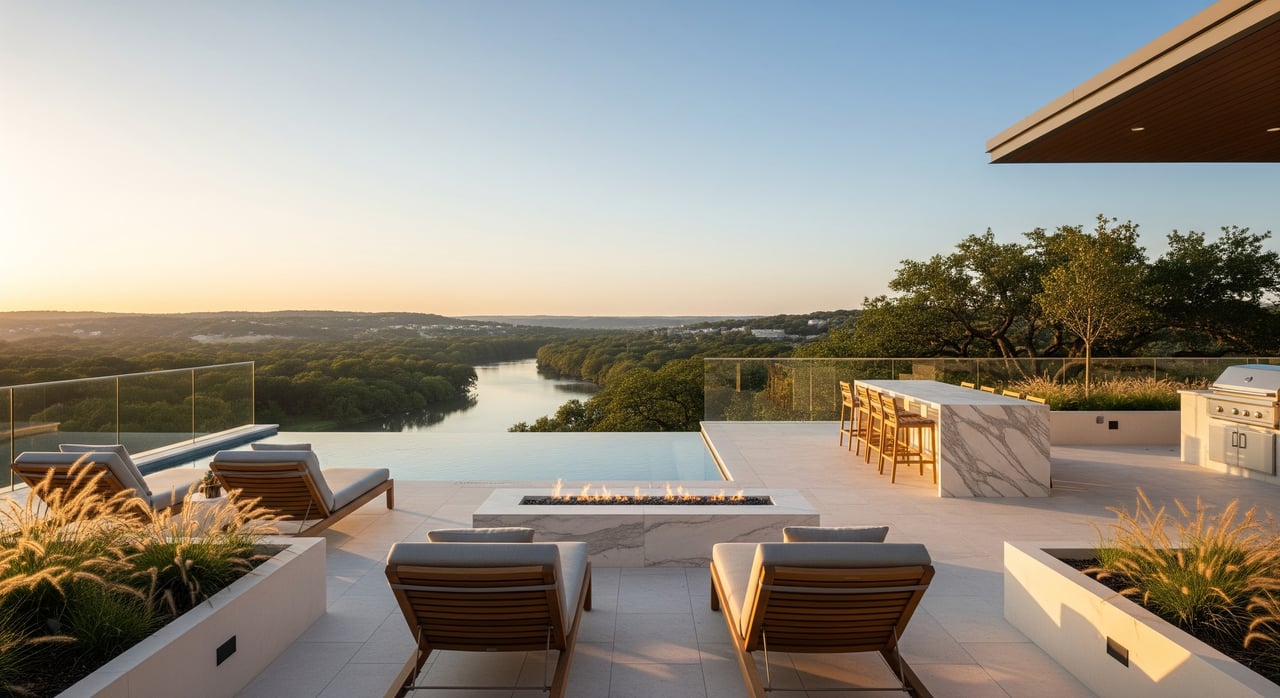
Trading yard work for skyline views sounds tempting, but you still want comfort, convenience, and control over monthly costs. If you are considering a high-rise in Turtle Creek, you are likely looking for lock-and-leave living, strong security, and easy access to dining and the park. This guide breaks down typical amenities, HOA dues, service levels, resale tips, and the must-check documents that protect your investment. Let’s dive in.
Why Turtle Creek fits your lifestyle
Turtle Creek in central Dallas offers tree-lined streets, creekside green space, and quick access to Uptown and Knox-Henderson. You can walk to restaurants and fitness studios, enjoy the linear park, and keep commutes to nearby business districts short. Many professionals and downsizers choose this area to simplify life without giving up culture or convenience.
Expect variety across buildings. Some high-rises focus on quiet simplicity at lower dues. Others deliver hotel-like service with staff on-site day and night. Matching your service expectations to a building’s operations is the key to comfort and cost control.
Amenity tiers explained
Not every high-rise is built or staffed the same way. Amenities and service levels fall into three broad tiers that shape your day-to-day experience and your monthly HOA.
Basic high-rises: low-service simplicity
These buildings focus on fundamentals: a secure lobby, elevators, assigned or structured parking, and standard building maintenance like trash chutes and mechanical systems. You may find a small fitness room or a simple shared lounge.
Staffing is minimal. Management might be remote or part-time on-site. Concierge and valet services are limited or absent. The upside is lower dues and straightforward operations. The tradeoff is fewer lifestyle services and more owner coordination for deliveries and guest access.
Mid-range buildings: balanced convenience
Mid-range properties usually feature a staffed lobby or daytime concierge, a fitness center, a pool or spa, a business center or meeting room, and an owners’ lounge. You often see secure underground parking, a package room, guest suites, and some landscaped outdoor space.
Staffing typically includes daytime concierge coverage and maintenance staff. Some properties add valet during peak hours. This tier balances convenience and cost, which makes it popular with professionals who want services that support busy schedules without the price tag of full-service luxury.
Luxury high-rises: full-service living
Luxury buildings lean into hotel-style service. You may find 24-hour concierge or doorman coverage, full valet, on-site management and maintenance, heated pools, rooftop terraces, private dining rooms, upgraded fitness with steam or sauna, and on-site security. Many also offer guest parking, wine storage, owner storage lockers, pet spas, private screening rooms, and vetted housekeeping or laundry partners.
Round-the-clock staffing and higher-end amenities deliver true lock-and-leave living. You hand off packages, guest access, car retrieval, and daily details. Expect higher dues to support personnel and elevated upkeep, which suits owners who prefer maximum convenience.
What HOA dues usually cover
HOA dues fund the operations and care of the building. Knowing what is included helps you compare properties with clarity.
Common inclusions
- Common-area maintenance and repairs for lobbies, hallways, elevators, roof, and facade
- Landscaping, exterior lighting, pool and amenity upkeep
- Building insurance for common elements under a master policy
- Water, sewer, and trash for common systems, and sometimes in-unit water
- Utilities for shared spaces, such as lighting and HVAC in common areas
- Elevator maintenance and required inspections
- On-site staff payroll for concierge, front desk, maintenance, and security
- Janitorial services for common areas
- Reserve contributions for long-term repairs and replacements
- Management company fees and administrative expenses
Items usually not included
- Property taxes and your mortgage payments
- Interior maintenance and appliances inside your unit unless the building uses a centralized system
- Individually metered utilities such as electricity, gas, cable, and internet unless stated otherwise
- Your HO-6 policy for interior finishes, personal property, and liability
- Special assessments for large projects if the reserves are not sufficient
Variability to confirm
Some buildings include water, internet, or cable in dues. Others are master-metered, which means the HOA pays certain utilities and owners contribute through monthly dues. Always verify the building’s fee schedule and the governing documents to understand your exact coverage.
What drives dues today and tomorrow
Several factors push HOA dues up or down. Understanding them helps you gauge both current costs and future changes.
- Building age and condition. Older properties can require more maintenance and higher reserve funding.
- Size and quality of amenities. Pools, high-end finishes, and additional services raise operating expenses.
- Staffing levels. A 24-hour concierge, full valet, and on-site teams add recurring payroll costs.
- Number of units. More units share fixed costs, which can lower per-unit dues. Smaller luxury buildings often have higher per-unit dues.
- Reserve fund health. Low reserves can trigger special assessments or steeper annual increases.
- Insurance costs. Master policy premiums may rise with claims or market changes.
- Local inflation. Labor, utilities, and materials directly affect operating budgets.
Why dues increase
Dues can rise if the association discovers deferred maintenance, faces new safety or structural upgrades, or undertakes capital projects such as major amenity renovations or mechanical replacements. Insurance premium spikes and code changes can also play a role.
Special assessments
If reserves are not sufficient for a large project, the board may levy a one-time assessment or seek an association loan repaid by owners. The best indicator of risk is a recent reserve study and transparent financial reporting.
Financial signals to review
- Recent reserve study and current reserve balance
- Budgets and actuals for the last several years
- Litigation history and insurance claims
- Professional management agreement and vendor list
Stable budgets and proactive planning suggest a healthier outlook for dues and maintenance.
Lock-and-leave must-haves in Turtle Creek
If you travel often or prefer low-maintenance living, prioritize these features when comparing buildings.
- Secure entry, surveillance, and staffed lobby or concierge
- Reliable package handling and delivery protocols
- Deeded, secure parking and convenient guest parking
- On-site maintenance with clear procedures for access when you are away
- Vendor partnerships for housekeeping, plant care, and other services
- HVAC setup that allows independent temperature control during absences
- Clear rules for guest access, elevator reservations, and deliveries
Also consider area-specific checks. Turtle Creek fronts a creek and a linear park, so ask about flood risk, drainage, and whether flood insurance is relevant to the building. Evaluate pedestrian access to Uptown and nearby amenities, and pay attention to parking and traffic patterns that affect your day-to-day ease.
Resale factors and red flags
Your unit’s future marketability depends on more than square footage.
What adds value on resale
- Views and position within the stack, such as creek or skyline outlooks
- Deeded parking spaces and private storage lockers
- Efficient floor plans with practical storage
- Well-managed buildings with healthy reserves and a strong reputation
- Amenities that matter to target buyers, such as concierge, fitness, and secure package rooms
- Pet policies that are clear and allow a broad buyer pool while setting reasonable rules
What to watch closely
- Poor reserve balances and a pattern of special assessments
- Ongoing litigation that can impact dues or insurance
- Unclear insurance coverage between the master policy and required HO-6
- Restrictive rental policies that limit liquidity or future flexibility
- Unusually high or opaque dues compared to comparable buildings
Being proactive on these items helps you protect value and avoid surprises when it is time to sell.
Buyer due diligence checklist
Request these documents from the seller or HOA and review them carefully.
- Current year budget and last 3 years of budgets and actuals. Shows where dues go and if costs are stable.
- Recent reserve study and current reserve balance. Indicates preparedness for big repairs.
- HOA board meeting minutes from the last 12 to 24 months. Reveals upcoming projects and potential assessments.
- CC&Rs, bylaws, house rules, and amendments. Defines what you can do in the unit and common areas.
- Master insurance certificates with coverage types, limits, and deductibles. Helps you coordinate your HO-6.
- Assessment history over the last 10 years. Highlights patterns in capital planning.
- List of current vendors and the management company contract. Gives insight into service quality and costs.
- Litigation disclosures. Flags risk factors that may impact dues or timelines.
- Parking deeds or assignments and storage locker documentation. Confirms what conveys with the unit.
Coordinate professional checks as well.
- Review master policy versus your required HO-6 with your insurance broker.
- Confirm FHA or VA approval status if you plan to use those loan types.
- Obtain a property condition report and ask about planned capital projects.
- Review flood maps and ask about flood insurance needs given the creek corridor.
How to narrow your shortlist
Use this simple process to align lifestyle and budget.
- Define your service level. Decide if you prefer basic, mid-range, or luxury staffing and amenities.
- List non-negotiables. Examples include deeded parking, 24-hour concierge, pet rules, or guest suite access.
- Compare dues and inclusions. Note utilities, staffing, and reserve contributions. Ask about master-meter status.
- Study the financials. Reserve study, minutes, and assessment history will shape future costs.
- Tour for fit. Assess lobby flow, package handling, elevator wait times, and neighborhood walkability.
- Pressure-test lock-and-leave. Ask how the building manages long absences, emergencies, and vendor access.
This method keeps you focused on the features and policies that matter most, instead of being distracted by finishes alone.
Ready to find your Turtle Creek match?
The right high-rise blends convenience, services, and predictable costs. When you align amenity level, HOA coverage, and building finances with your priorities, you get the lock-and-leave lifestyle you want without the guesswork. If you would like tailored guidance and building-by-building comparisons, connect with Christian Smith for a personalized plan.
FAQs
What do HOA dues typically include in Turtle Creek high-rises?
- Dues often cover common-area maintenance, building insurance for common elements, staff payroll, utilities for shared spaces, and reserve contributions. Always verify the building’s exact inclusions.
Do Turtle Creek condos usually include utilities in the HOA?
- Sometimes. Water and trash are often included, and some buildings include internet or cable. Check the fee schedule and whether the building is master-metered.
How do staffing levels affect my monthly HOA in Dallas high-rises?
- Higher staffing such as 24-hour concierge or valet increases labor costs, which raises dues. Minimal staffing keeps dues lower but reduces services.
What should I review to avoid special assessments in a Turtle Creek building?
- Ask for the recent reserve study, current reserve balance, budget vs. actuals for several years, meeting minutes, and assessment history. These show planning strength and upcoming projects.
What features help resale value for Turtle Creek condos?
- Strong views, deeded parking, private storage, efficient floor plans, well-managed HOAs with healthy reserves, and practical amenities such as concierge and a modern package room.
Can I rent out my Turtle Creek condo if my plans change?
- Policies vary by building. Review rental caps, minimum lease terms, and owner registration requirements before you buy to ensure they align with your goals.